Walls Ready for Paint Without Visible Patches
Drywall Repair and Finishing in Abilene for surfaces damaged by wear, moisture, or remodeling work
Holes from doorknob impacts, cracks along seams, and water stains from roof leaks all compromise the appearance of interior walls and ceilings. Johnson's Home Improvement addresses these issues with drywall repair and finishing services in Abilene, restoring smooth, paint-ready surfaces that blend seamlessly with the surrounding area. You need repairs that disappear once the final coat of paint goes on, not patches that remain visible under certain lighting angles.
The process involves cutting out damaged sections, securing backing material, filling with joint compound, and feathering edges to eliminate transitions between old and new surfaces. Multiple coats are applied with progressively finer sanding between each layer until the repaired area matches the texture of the original wall. Moisture damage requires identifying and resolving the source before repair work begins to prevent recurrence.
Request a drywall service consultation to evaluate the extent of damage and determine the appropriate repair approach.
How Drywall Finishing Creates Invisible Repairs
Achieving a smooth, paint-ready finish requires building up joint compound in thin layers rather than attempting to fill the entire void at once. Each layer is feathered outward beyond the damaged area, sanded flush once dry, and checked for level before the next coat is applied. This method prevents the sunken or raised patches that become obvious once painted.
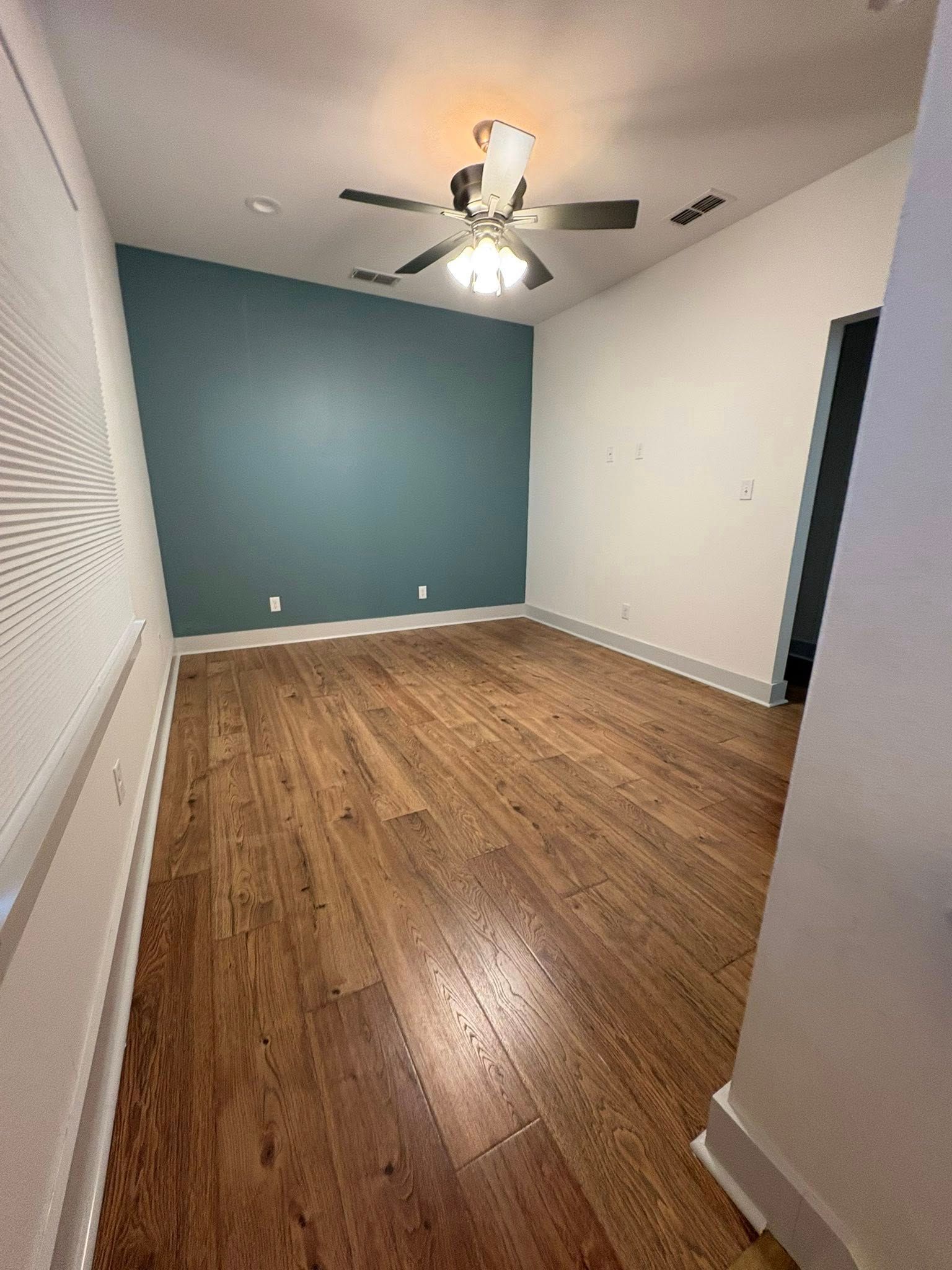
After finishing, the repaired section accepts paint evenly without showing texture differences or creating shadows under angled lighting. Seams remain closed without cracking, and the surface feels smooth when you run your hand across the area. Walls return to a uniform appearance that no longer draws attention to previous damage.
Both small patches and large repairs follow the same fundamental process, though larger areas may require additional drying time between coats. Johnson's Home Improvement handles repairs ranging from single nail pops to full wall sections damaged during remodeling projects or from persistent moisture exposure.
Common Questions About This Service
Homeowners in Abilene often have questions about repair techniques, drying times, and when to address drywall damage before it worsens.
What causes cracks to appear along drywall seams?
Foundation settling, temperature fluctuations, and normal building movement create stress at seams where drywall panels meet, causing the joint compound to crack over time if not properly reinforced with tape during initial installation.
How many coats of joint compound are needed for a smooth finish?
Most repairs require at least three coats—an initial fill coat, a second coat to build thickness, and a final skim coat that feathers the edges—with sanding between each layer to remove ridges and blend transitions.
When should drywall be replaced instead of repaired?
If water damage has caused the gypsum core to crumble or if the paper facing has delaminated from the core, replacement is necessary because the structural integrity of the panel is compromised and will not hold fasteners or accept finishing compound properly.
How long does joint compound need to dry between coats?
Depending on humidity levels and coat thickness, drying typically takes 12 to 24 hours, though thin skim coats may dry faster in the low-humidity conditions common to Abilene.
What repairs are needed before painting can begin?
All holes must be filled, cracks sealed, and surfaces sanded smooth, with no visible ridges or depressions remaining, so that paint application reveals a uniform texture without highlighting imperfections.
For walls that need attention before painting or after damage from remodeling work, Johnson's Home Improvement provides drywall repair and finishing that restores interior surfaces to their original appearance. Arrange an evaluation to address your specific wall repair needs.