
Outdoor Spaces That Don't Deteriorate in Sun
Deck and Patio Construction in Abilene for backyards lacking functional outdoor living areas and aging wood structures showing rot
Texas sun exposure causes wood decks to dry out and crack, UV radiation fades stain colors within two seasons, and moisture from rain or sprinklers penetrates wood grain where it promotes rot and insect damage. Concrete patios develop surface cracks when soil underneath shifts or erodes, and undersized structures limit furniture arrangement and movement during gatherings. Johnson's Home Improvement builds custom decks and patios designed around specific entertainment and lifestyle needs, using materials selected for durability in intense heat and UV exposure common to the Abilene climate.
Construction starts with site evaluation to determine soil stability, drainage patterns, and sun exposure that affect material selection and structural design. Deck projects involve setting posts in concrete footings below frost line, installing beams and joists that meet span requirements for the decking material, and fastening deck boards with hidden clips or stainless fasteners that resist corrosion. Patio construction requires excavating to stable subgrade, compacting a base layer of crushed stone for drainage and stability, and placing concrete or pavers with joints that allow expansion. Design flexibility includes multi-level decks that separate dining from lounging areas, covered sections that provide shade, and integrated features like built-in seating or planters.
Schedule an outdoor project consultation to discuss layout options, material choices, and design features suited to how you use exterior spaces.
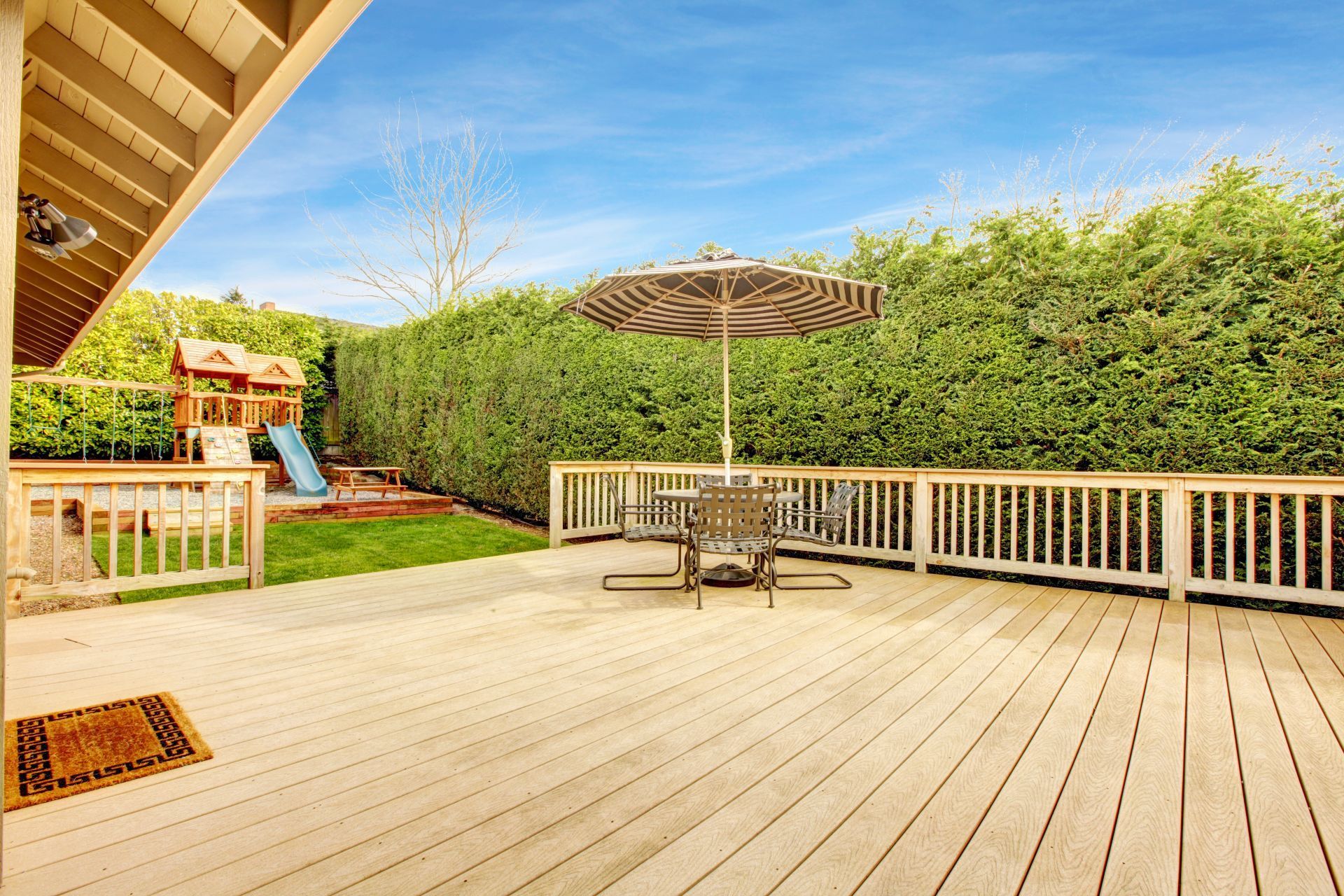
Why Material Selection Affects Longevity
Composite decking resists moisture absorption and UV fading better than wood because the plastic binder encapsulates wood fibers and prevents direct exposure to weather elements. Pressure-treated lumber uses chemical preservatives that protect against rot and insects but still requires periodic sealing to prevent surface checking and splinter formation. Concrete withstands temperature extremes without structural degradation, though it requires control joints placed at regular intervals to direct cracking into planned locations rather than random patterns across the surface.
Once construction finishes, the outdoor space functions as an extension of interior living area with defined zones for cooking, dining, and seating that accommodate the furniture and traffic flow your gatherings require. Surfaces remain level and stable without shifting or developing trip hazards, drainage slopes direct water away from the house foundation, and railings provide secure support at elevation changes. Materials selected for Texas conditions maintain appearance and structural integrity despite sustained sun exposure that would rapidly degrade lesser options.
Deck and patio additions increase usable property area and raise home values because buyers evaluate outdoor living space as desirable features rather than optional amenities. Covered sections extend usability during midday heat, and proper lighting installation allows evening use after temperatures moderate. Maintenance requirements vary by material—composite decking needs only periodic cleaning, wood requires annual sealing or staining, and concrete may need sealing to prevent staining from spills or weathering. Local building codes often specify railing height, post spacing, and footing depth requirements that professional construction meets.
Questions Before Starting Outdoor Projects
Homeowners planning deck or patio additions typically ask about design options, material trade-offs, and how construction accommodates their specific yard conditions.
What factors determine whether a deck or patio works better?
Decks suit sloped yards where leveling for a patio would require extensive excavation, elevate outdoor space to align with door thresholds, and provide airflow underneath that keeps the surface cooler, while patios work well on level ground, cost less per square foot, and require minimal ongoing maintenance.
How do you handle drainage around new outdoor structures?
Proper drainage involves grading the surrounding soil to slope away from the structure, installing downspout extensions that discharge beyond the patio or deck perimeter, and using permeable base materials under pavers or sloped concrete surfaces that prevent water accumulation.
What material options resist Abilene heat and sun exposure?
Composite decking maintains color and resists warping in sustained heat, capped composite adds an extra protective layer against fading and staining, pressure-treated wood requires maintenance but costs less initially, and concrete or stone pavers absorb and release heat but don't degrade from UV exposure.
Why do deck posts need concrete footings?
Footings distribute the structure's weight across a larger soil area to prevent settling, extend below frost depth so that ground movement doesn't lift or shift posts, and keep wood out of direct ground contact where moisture would cause rot.
What design features add the most functionality?
Features that improve usability include built-in benches with storage underneath, pergola covers that provide partial shade while maintaining airflow, lighting integrated into railings or steps for safe evening use, and multi-level designs that separate activity zones without requiring large square footage.
Johnson's Home Improvement designs decks and patios based on your yard topography, soil conditions, and how you plan to use the outdoor space for entertaining or relaxation. Set up a consultation to review material options and custom features that match your property and lifestyle needs.